
Infrastructure for high-performance and accelerated workloads.
AASHU focuses on the platform beneath HPC and AI workloads: Linux, Slurm, MPI, parallel storage, high-speed fabrics, GPUs, orchestration, observability, and operations.
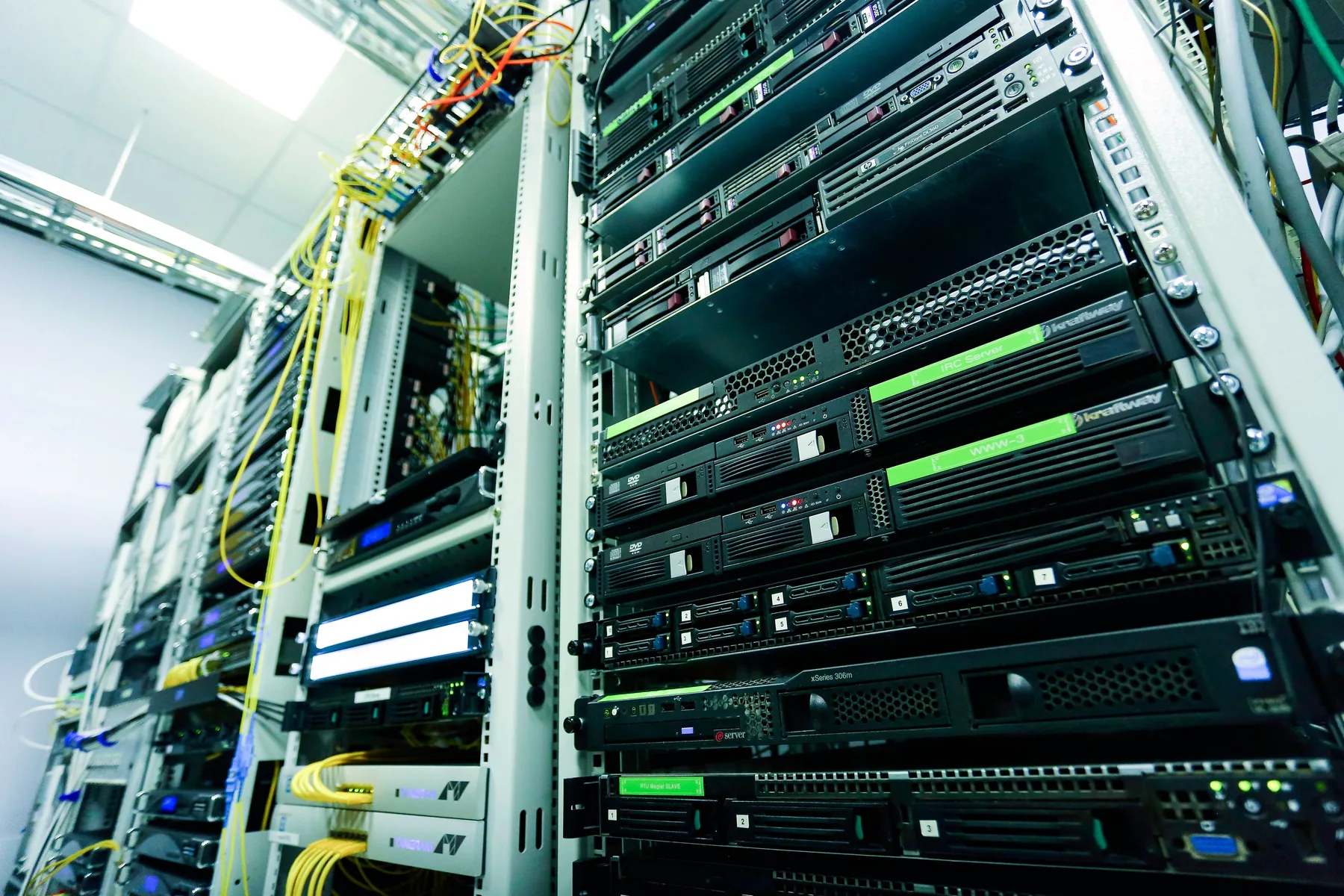
Compute clusters engineered as systems.
Scheduling, storage, and fabric working as one system — with the deep diagnostics HPC demands when they don't.
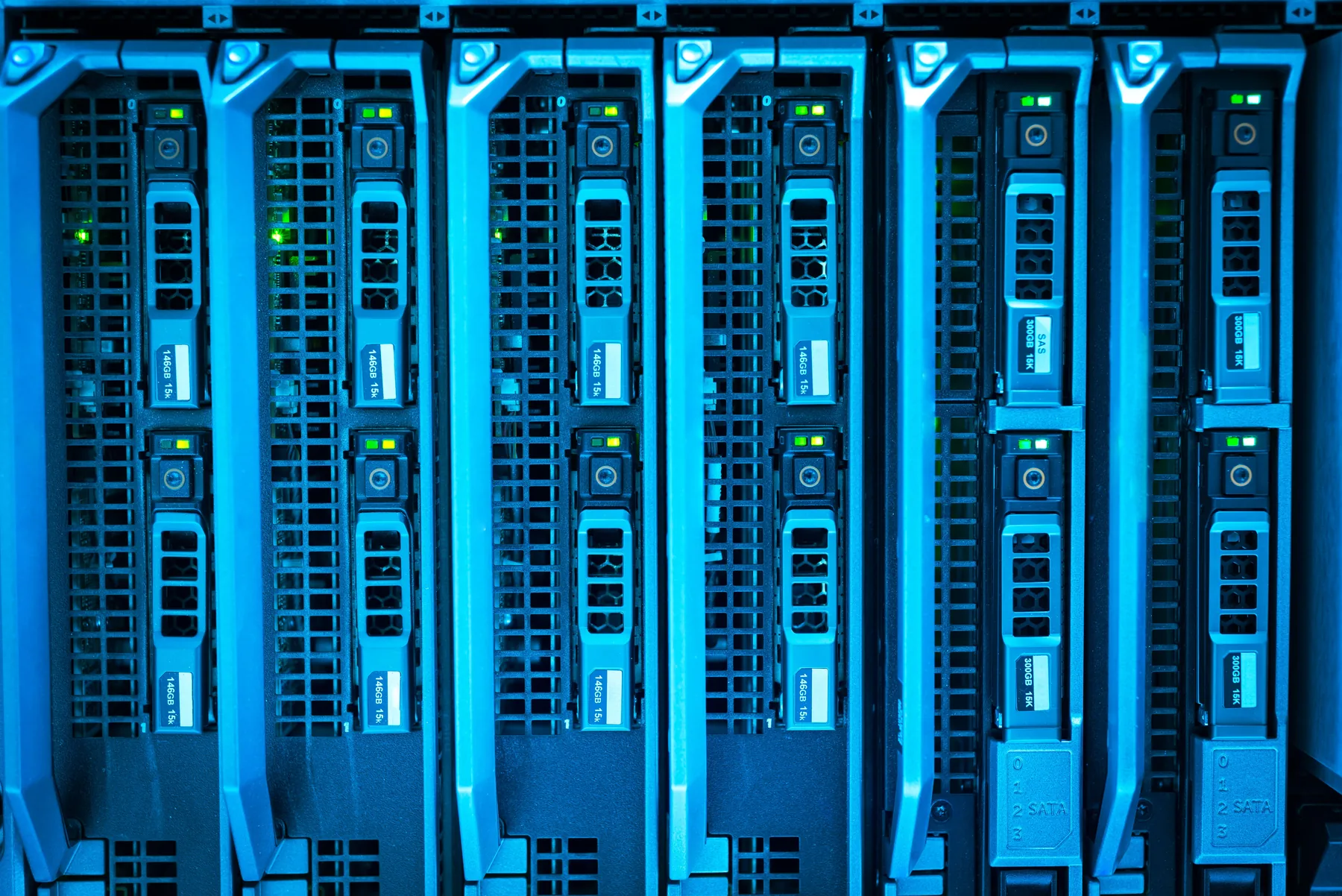
Accelerated compute from hardware to workload.
From racked GPUs to running workloads — the layer AI actually depends on, engineered with fleet discipline.
HPC and AI workloads are only as strong as the infrastructure underneath them.
The workloads differ, but the engineering dependencies overlap: Linux, scheduling, distributed compute, high-throughput storage, network fabric, GPU lifecycle, automation, observability, capacity, and operational runbooks.
Linux & node lifecycle
Consistent compute-node builds, lifecycle, kernel and driver management, and fleet operations.
Slurm & scheduling
Partitions, resources, GPU allocation, policy, accounting, and operational scheduler management.
MPI & distributed compute
Multi-node workload enablement, launch integration, validation, and fabric-aware configuration.
Parallel storage
Lustre, Spectrum Scale/GPFS, WEKA, NetApp, OneFS, and workload data-path integration within existing scope.
Fabric & networking
High-speed networking dependencies, InfiniBand/RoCE where applicable, and enterprise connectivity.
GPU platform operations
NVIDIA driver lifecycle, GPU Operator, MIG, monitoring, and operational readiness for accelerated workloads.
Planning an HPC or GPU platform?
Bring the current architecture, target workload, constraints, and timeline.