
Infrastructure engineering across the full operating stack.
Twelve service lines covering the operating system, security, automation, platforms, virtualization, networking, monitoring, data systems, high-performance computing, and AI/GPU infrastructure.
Choose the layer you need to engineer.
Each capability page explains the environment, technical scope, engineering work, deliverables, related technologies, and adjacent AASHU capabilities.

Enterprise Linux
Linux lifecycle engineering, RHEL specialization, migrations, performance, identity, and fleet operations.
Explore capability →
Security & SELinux
Linux hardening, SELinux, security baselines, OpenSCAP, audit controls, and compliance-supporting engineering.
Explore capability →
Ansible Automation
Reusable automation from Ansible content through Red Hat Ansible Automation Platform.
Explore capability →
Containers & Kubernetes
Containerized workloads and Kubernetes infrastructure engineered from the operating system up.
Explore capability →
Red Hat OpenShift
Production OpenShift platforms across deployment, GitOps, operators, security, observability, and lifecycle.
Explore capability →
Citrix Linux VDI
RHEL virtual desktops with Citrix Linux VDA, controller registration, HDX validation, and day-2 operations.
Explore capability →
Cloud & Virtualization
VMware, AWS, Azure, hybrid infrastructure, migration, automation, and operational integration.
Explore capability →
Enterprise Networking
Cisco-focused multi-vendor routing, switching, segmentation, services, automation, and troubleshooting.
Explore capability →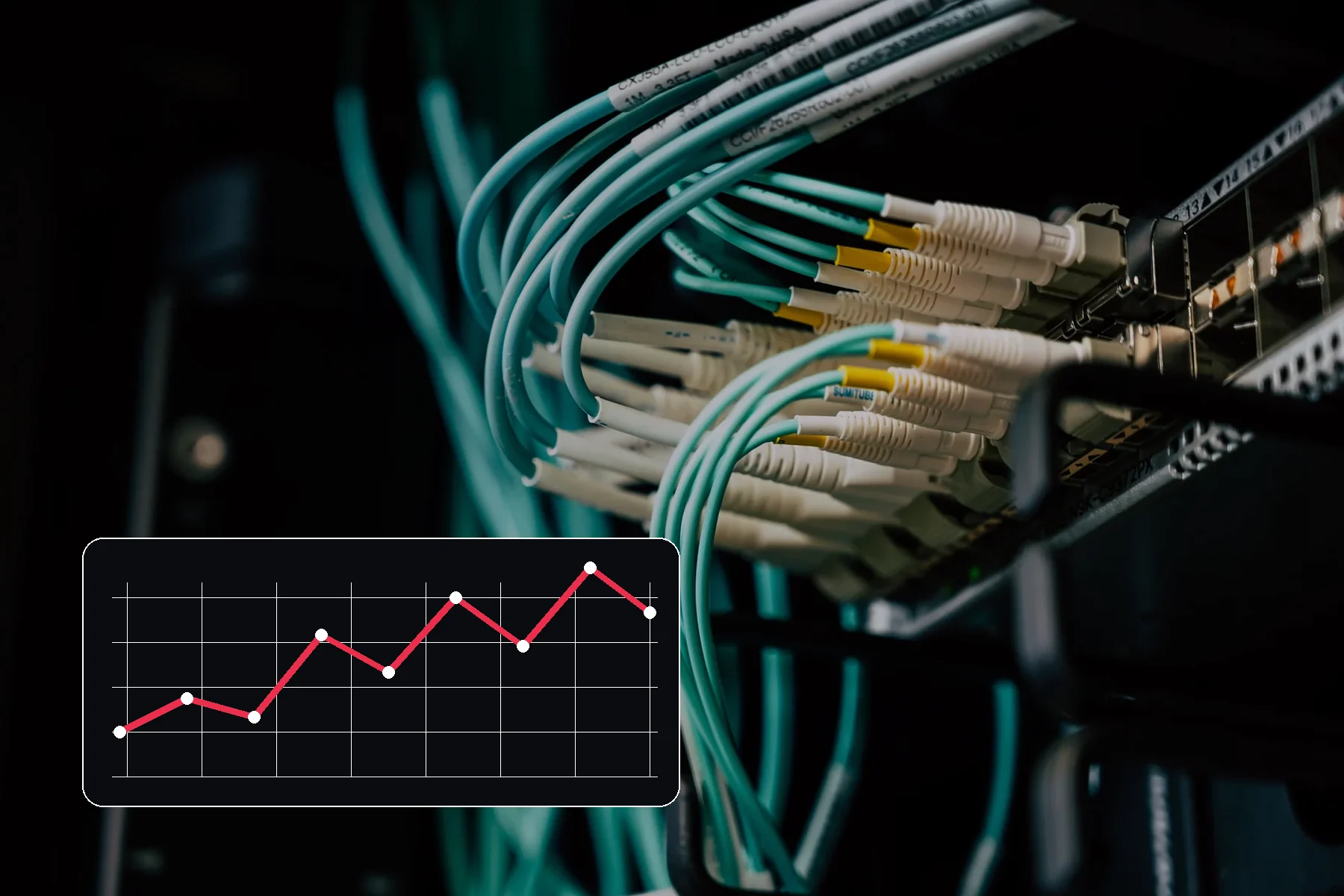
Zabbix Monitoring
Monitoring architecture, agents, SNMP, discovery, alert design, dashboards, and operational handoff.
Explore capability →
Database Platforms
Oracle Database, MySQL, and PostgreSQL deployment, lifecycle, availability, performance, and operations.
Explore capability →
HPC Infrastructure
Linux compute clusters, Slurm, MPI, parallel storage, high-speed fabrics, automation, and operations.
Explore capability →
AI / GPU Infrastructure
GPU systems, Slurm, MPI, Kubernetes GPU platforms, MIG, inference infrastructure, and observability.
Explore capability →Complex infrastructure crosses service boundaries.
OpenShift depends on Linux, identity, networking, storage, security, automation, and observability. HPC depends on schedulers, MPI, storage, fabrics, Linux, and monitoring. The service architecture is modular, but the engineering approach is integrated.