
Enterprise Networking
Routing, switching, segmentation, network services, and troubleshooting engineered as part of the infrastructure platform — with Cisco as a core focus and support for mixed enterprise environments.
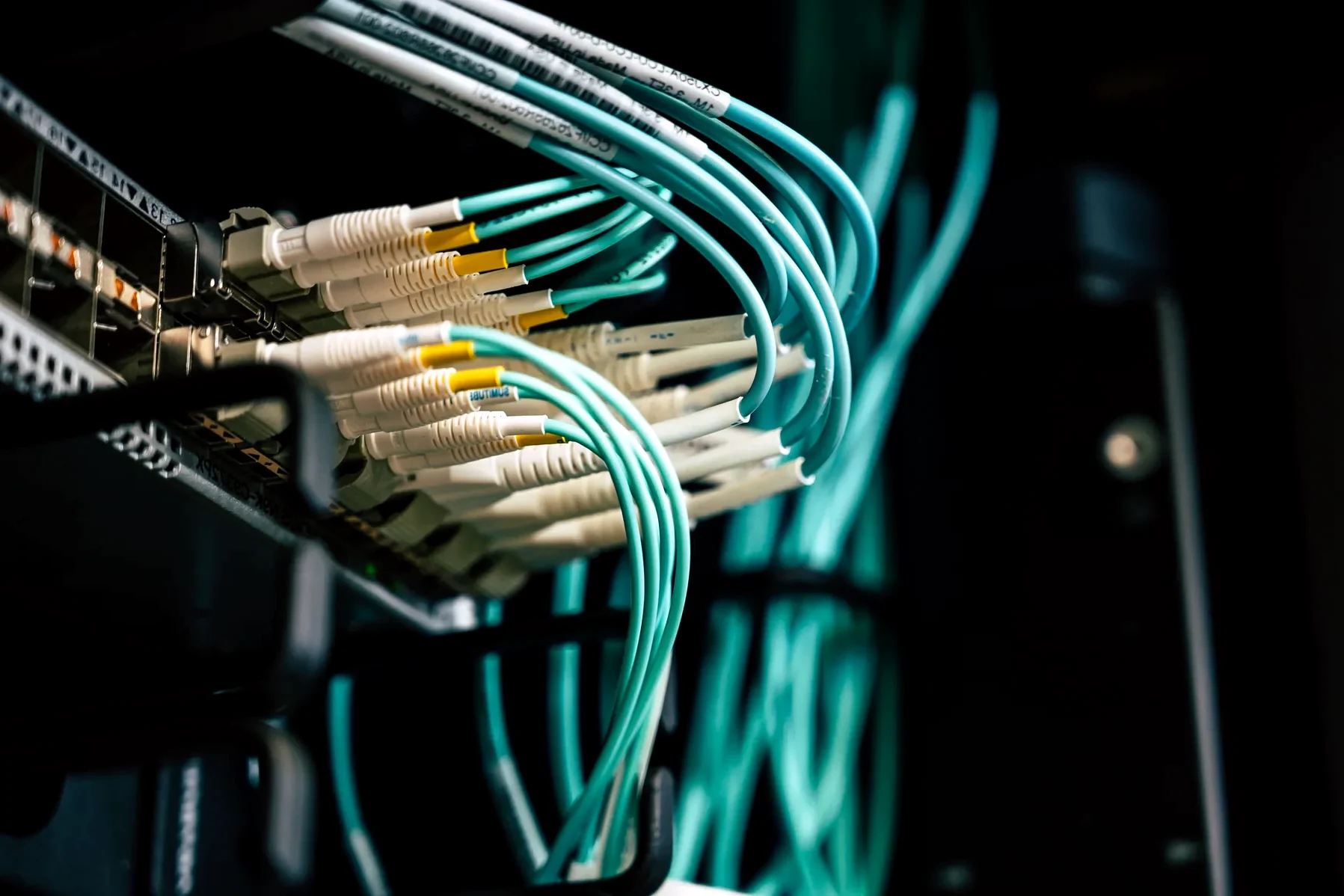
Reliable platforms depend on reliable connectivity.
AASHU approaches networking as infrastructure engineering, not an isolated appliance discipline. We connect the network to Linux, virtualization, cloud, storage, monitoring, identity, and application requirements so routing, switching, segmentation, and network services operate as one dependable platform.
What this capability covers.
Focused engineering with clear technical outcomes, documented implementation, and a path for the operating team to own the result.
Cisco routing & switching
Design, deploy, configure, and operate Cisco switching and routing environments, including Catalyst and Nexus platforms where applicable, with documented standards and lifecycle practices.
Routing architecture
Implement and troubleshoot static and dynamic routing, including OSPF and BGP, route policy, summarization, redistribution, and resilient path design.
Segmentation & data-center switching
Engineer VLANs, trunks, spanning-tree controls, link aggregation, VRFs, and VXLAN-aligned segmentation patterns for secure and scalable environments.
Network services integration
Integrate DNS, DHCP, NTP, IP addressing, AAA, and related network services with Linux, directory services, virtualization, and application platforms.
Linux & platform networking
Troubleshoot and engineer Linux bonding, teaming, VLAN interfaces, bridges, routes, MTU, DNS, firewall interactions, Kubernetes/OpenShift connectivity, and hybrid-cloud network dependencies.
Monitoring, automation & troubleshooting
Use SNMP, telemetry, Zabbix, configuration automation, packet analysis, and structured diagnostics to improve visibility, reduce drift, and resolve complex connectivity failures.
What you receive.
From environment understanding to operational ownership.
Every engagement is scoped to the actual environment. The implementation changes by capability, but the operating discipline remains consistent.
Assess the environment
Map the current state, dependencies, constraints, risk, and operational ownership before making changes.
Engineer the implementation
Build the technical path with repeatable configuration, validation, and rollback appropriate to the scope.
Leave an operating model
Document the baseline, runbooks, lifecycle tasks, and handoff so the capability remains supportable.
Ready to scope this work?
Tell us the environment, requirement, constraints, and timeline.